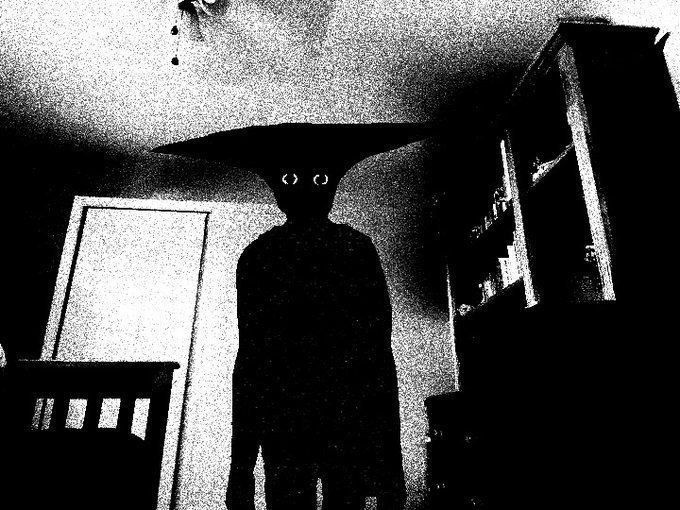
You’ve just settled in for a quiet evening, maybe scrolling through social media, when a glitch flickers across your screen. A familiar logo appears, distorted. The audio warps into something guttural, and a voice, or perhaps an entity, warns of something unseen, something lurking just beyond the threshold of reality. This isn’t a lost broadcast from another dimension; it’s your first brush with "Disturbing Internet Lore & Analog Horror," a genre that weaponized nostalgia and the mundane to terrifying effect.
This isn’t just about jump scares. It’s about the creeping dread of a corrupted signal, the chilling suggestion that something fundamentally wrong is hiding in plain sight, mimicking our media, our institutions, even our faces. Analog horror didn't just scare us; it made us question what was real, leveraging the very tools of our comfort against us.
At a Glance: What You Need to Know
- What is it? Analog horror is a horror subgenre that mimics vintage analog media (VHS, cassette tapes, old TV broadcasts) to tell fragmented, unsettling stories.
- Why did it boom? Its accessible, low-budget nature made it easy for creators to publish on YouTube and TikTok, gaining massive traction during the late 2010s and early 2020s, especially amplified by the pandemic.
- Core Appeal: It leverages nostalgia, turning comforting aesthetics like fuzzy images, PSAs, and "lost" episodes into something deeply uncanny and terrifying.
- Why did it fade? Its very accessibility led to oversaturation. Many creators replicated the same tropes (distorted faces, fake emergency alerts, VHS filters) without innovation, making the horror predictable and often meme-worthy.
- Its Legacy: Analog horror proved the power of internet-native, low-budget horror, paving the way for new forms like digital horror, which continues to adapt and innovate within familiar digital aesthetics.
The Static Whisper: Defining Analog Horror
Imagine dusting off an old VHS tape from your attic. You pop it into the player, expecting a beloved childhood cartoon or a grainy home video, but what you get is a fractured nightmare. The images flicker, the sound distorts, and a menacing narrative slowly unveils itself through cryptic messages, public service announcements gone awry, and the subtle, unsettling shifts in what you thought was familiar. That’s the essence of analog horror.
This isn't your typical jump-scare fest. Analog horror thrives on psychological terror, on the slow burn of dread built from fragmented, vague storytelling. Viewers are forced to piece together a narrative from scattered clues, creating a deeply immersive and personal horror experience. It’s a subgenre characterized by the style and aesthetics of vintage analog media – think grainy VHS footage, crackling cassette tapes, and the eerie quiet of a broadcast signal interruption.
What makes it so effective? It weaponizes comfort. By repurposing familiar, nostalgic elements – the fuzzy tracking lines of a VCR, the comforting voice of a local news anchor, the innocent art style of a children's cartoon – and twisting them into something sinister, analog horror creates a profound sense of uncanny dread. It tells you that what you trust, what you remember, can be corrupted, turning the very foundation of your safety into a source of fear. This technique echoes a deeper dive into the found-footage phenomenon, where authenticity and realism are manipulated to heighten the horror.
Early pioneers like Local 58 established many of these core elements, presenting viewers with simulated emergency broadcasts that quickly devolved into unsettling, existential threats. It was a fresh approach, turning the mundane into a gateway for the monstrous.
The Signal Boost: Why Analog Horror Went Viral
Analog horror wasn’t just a niche phenomenon; it exploded into mainstream internet culture in the late 2010s and early 2020s. Its rise was a perfect storm of accessibility, platform virality, and a global event that primed audiences for its particular brand of dread.
One of its biggest strengths was its low barrier to entry for creators. You didn't need Hollywood budgets or complex CGI. Armed with just a phone for recording and some readily available editing software, creators like Alex Kister, the mastermind behind The Mandela Catalogue, could produce compelling, unsettling content. Kister's work, which presented a series of corrupted public access educational videos warning about "Alternates" – doppelgänger entities mimicking humans – became a touchstone for the genre. It resonated because it felt real, immediate, and terrifyingly plausible.
Platforms like YouTube and TikTok were crucial in this transformation. Their algorithms, designed to surface engaging content, helped analog horror videos quickly find massive audiences. A single unsettling short could be shared and dissected countless times, spiraling into widespread discussions, theories, and fan communities. This virality was a testament to the genre's immediate impact and its ability to captivate.
Then came the COVID-19 pandemic. As the world locked down, people spent unprecedented amounts of time online. Themes intrinsic to analog horror – unseen threats, disruptions to communication, surveillance, the fear of the "other" invading familiar spaces – deeply resonated with a global population grappling with an invisible enemy and profound societal upheaval. Analog horror offered a cathartic, albeit terrifying, lens through which to process anxieties about control, identity, and a world suddenly rendered uncanny. It became one of the most significant viral scares of the digital age, captivating millions with its unsettling premise.
The Echoes of Fear: Core Tropes That Defined the Genre
Analog horror developed a distinct visual and narrative language, creating a recognizable set of tropes that, for a time, felt innovative and genuinely scary. These elements were its foundation:
- Distorted Faces and Corrupted Identities: Perhaps the most iconic trope, you’d often see faces warped, blurred, or stretched into unnatural forms on screens, walls, or even within "trusted" figures like news anchors. This visual often suggested a deeper corruption, a loss of identity, or the presence of something non-human mimicking humanity. The horror came from the defilement of something inherently familiar and comforting: the human face.
- Fake Emergency Alerts and Cryptic Messages: Nothing grabs attention like an unexpected emergency broadcast. Analog horror exploited this by creating elaborate fake alerts – like those seen in The Basswood County series – replete with official-looking graphics and urgent tones, only to deliver bizarre, cryptic, or overtly menacing messages that built out a terrifying alternate reality. These alerts served as chilling world-building devices, making the threat feel immediate and systemic.
- VHS-like Visuals and Glitches: The genre's namesake. The visual language of analog horror is saturated with the aesthetics of old videotapes: grainy footage, tracking lines, color distortion, static, and sudden, jarring glitches. These weren't just stylistic choices; they were narrative tools. They mimicked "lost" media, suggesting forbidden knowledge or corrupted transmissions, creating an immediate sense of nostalgia that was quickly subverted into dread. The imperfections of the medium became integral to the horror itself.
These elements, initially perceived as fresh and interesting, turned familiar materials into powerful vehicles for fear, pulling viewers into narratives that felt uncomfortably close to reality. It's a testament to the power of suggestion and atmosphere, proving that you don't need elaborate monsters to truly frighten an audience; sometimes, a subtly corrupted image is all it takes.
The Glitch in the System: How Popularity Led to Predictability
The very accessibility that fueled analog horror's meteoric rise ultimately became its undoing. What started as innovative, low-budget brilliance quickly succumbed to the internet's relentless trend cycle and the pitfalls of oversaturation.
As the genre gained prominence, countless new creators flocked to YouTube and TikTok, eager to capitalize on its success. The result was an explosion of content, but much of it lacked originality. Many creators simply replicated the established formulas, visual effects, and story structures. Distorted faces became ubiquitous, eerie PSAs felt less like chilling revelations and more like predictable narrative devices, and the overuse of VHS visuals started to feel like a superficial filter rather than an integral part of the horror.
This repetition made the horror predictable and surface-level. Audiences, initially captivated by the uncanny novelty, quickly grew tired of seeing the same tropes deployed without fresh ideas or genuine narrative depth. What was once terrifying became merely familiar, then tedious, and finally, even funny. The horror lost its edge, becoming "memeified" as its most recognizable elements were stripped of their context and turned into jokes, eroding their fear factor entirely. Discussions on platforms like Reddit frequently highlighted criticisms regarding the genre's lack of originality and the tiresome oversaturation of its once-potent tropes.
Social media algorithms, designed to favor familiar and engaging content, inadvertently contributed to this decline. They amplified formulaic imitation, as creators who mimicked popular styles often saw their content perform better, creating a feedback loop that discouraged true innovation in favor of replication. This demonstrates a crucial lesson about online trends: while accessibility can spark a movement, sustained engagement requires constant evolution and originality. Without it, even the most captivating concepts can quickly burn out. For those interested in Explore unspeakable videos, this cycle of creation and consumption is a crucial aspect of understanding internet culture.
Beyond the Static: Analog Horror's Enduring Legacy
While analog horror's peak has passed, its impact on internet-born horror is undeniable and enduring. It wasn't just a fleeting trend; it served as a crucial turning point, proving the viability and power of low-budget, internet-native storytelling. Its trajectory, from groundbreaking innovation to formulaic fatigue, offered invaluable lessons for creators about the importance of adaptability and originality within rapidly evolving online content cycles.
The genre's decline didn't signal the end of effective internet horror; rather, it paved the way for its evolution into new forms, most notably digital horror. Digital horror embraces the aesthetics of contemporary digital media, leveraging familiar interfaces and formats to create new strains of fear. Instead of VHS tapes, we now see unsettling narratives unfold through:
- Corrupted Flash Games: Reimagining the nostalgia of early 2000s/2010s flash games into deep, unsettling narratives. Ghosttundra's Lacey's Flash Games is a prime example, taking the simple, pixelated charm of old online games and twisting it into a profoundly disturbing experience.
- Desktop Recordings (Bandicams): Using the perspective of a user's desktop screen, complete with folders, files, and video calls, to create a sense of direct intrusion and vulnerability.
- Glitched ARGs and Social Media Feeds: Extending the horror into interactive, real-time experiences that blur the lines between fiction and reality, often playing out across multiple social media platforms.
Creators like Kane Pixels, famous for his The Backrooms series, have also evolved. While his earlier work had analog sensibilities, his later efforts, such as People Still Live Here, blend analog aesthetics with sophisticated cinematic framing, demonstrating a hybrid approach that pushes boundaries. These newer forms emphasize that nostalgia can still be scary, but only when paired with fresh ideas and a willingness to transcend established formulas.
Analog horror's greatest legacy lies in its demonstration that constraint breeds creativity. It showed that limited resources don't limit imagination, and that a compelling idea, distributed freely, can capture the collective imagination and fear of a generation. It underscored the power of the internet as a platform not just for entertainment, but for truly unsettling, thought-provoking horror that directly reflects our anxieties about technology, communication, and the hidden realities beneath the surface of our digital lives. As we look at the exciting new directions internet horror is taking, the influence of analog horror remains a foundational element, a reminder of what happens when familiar comfort is weaponized.
Why Do We Keep Coming Back? The Psychology of Digital Dread
Why are we so drawn to disturbing internet lore and analog horror, even when we know it will leave us checking over our shoulders? It taps into something primal and profoundly modern simultaneously.
- The Uncanny Valley of the Familiar: Analog horror thrives on the uncanny – that feeling of something being familiar yet unsettlingly wrong. It exploits our comfort with vintage media, then twists it, creating a deep psychological unease rather than just a simple scare. Our brains struggle to reconcile the expected with the unexpected horror, leading to a lingering sense of dread.
- Control and Curiosity: Watching horror, especially fragmented narratives like analog horror, gives us a sense of control over fear. We can pause, rewind, or even close the tab if it becomes too much. Yet, our inherent curiosity compels us to piece together the narrative, to understand the monster or the mystery, even if it’s deeply unsettling. It’s a safe way to confront our fears from a distance.
- Modern Anxieties Reflected: The themes of analog horror – surveillance, corrupted information, loss of identity, unseen threats, the breakdown of communication – are direct reflections of modern anxieties. In an age of deepfakes, misinformation, and constant digital exposure, the idea of media being manipulated or reality being subtly altered hits home harder than ever. The horror feels less fantastical and more like a distorted mirror of our own technologically advanced, yet vulnerable, world.
- Community and Shared Experience: Discussing, theorizing, and even being scared together is a powerful draw. Online communities dedicated to analog horror flourished, offering spaces for people to share theories, analyze hidden clues, and collectively process the terror. This communal aspect makes the experience richer and more engaging, turning passive viewing into active participation.
These psychological hooks ensure that even as specific trends fade, the underlying appeal of internet-native horror remains potent. We crave the thrill, the challenge to our perceptions, and the opportunity to confront our deepest fears within the controlled environment of a screen.
Creating (or Avoiding) the Next Big Digital Nightmare
For aspiring creators, the rise and fall of analog horror offer critical lessons. For consumers, understanding this cycle helps you appreciate the innovation and identify mere imitation.
For Creators:
- Originality is King: Don't just replicate tropes. Use them as a starting point, then twist, subvert, or combine them in unexpected ways. The most successful analog horror pieces didn't invent static; they invented terrifying narratives around it. Ask yourself: what new anxiety can this familiar aesthetic tap into?
- Subtlety Over Shock: Analog horror's initial power came from its slow burn and implied horror. Relying on cheap jump scares or overly graphic content can quickly dilute your impact. Build atmosphere, plant seeds of doubt, and let the audience's imagination do the heaviest lifting.
- Narrative Depth Matters: Beyond the cool visuals, what's the story? What are the characters' stakes (even if they're unseen)? A compelling narrative, however fragmented, gives the horror substance and staying power.
- Embrace Evolution: Don't be afraid to innovate beyond the initial trend. Analog horror paved the way for digital horror; what comes next? Experiment with new media formats, interactive elements, and hybrid approaches. The internet is constantly changing, and so too should its horror.
For Consumers: - Seek Out Innovation: Look for creators who are pushing boundaries, not just rehashing old ideas. Explore the fringes of new digital horror subgenres. You’ll find more rewarding and genuinely unsettling experiences.
- Understand the Tropes: Knowing the common elements helps you appreciate how creators either master them or fall prey to their overuse. It enhances your critical engagement with the content.
- Engage with Communities: Join discussions, share theories, and learn from others' interpretations. The collective experience of internet horror often enhances its impact.
The Endless Scroll: The Future of Internet-Native Horror
The story of "Disturbing Internet Lore & Analog Horror" isn't one of failure, but of evolution. It demonstrated the immense power of digital platforms to launch creative movements, foster communities, and tap into universal anxieties with minimal resources. It proved that the internet isn't just a distribution channel; it's a fertile ground for new forms of storytelling entirely.
As we move forward, the landscape of internet horror will continue to shift. Expect more sophisticated blends of analog and digital aesthetics, more interactive narratives that blur the lines between observer and participant, and horror that leverages emerging technologies like AI, VR, and AR. The core principle will remain: taking the familiar, the comforting, the everyday tools of our digital lives, and twisting them into something profoundly, viscerally terrifying. The next great digital nightmare isn't just around the corner; it's probably already in your pocket, waiting for the signal to corrupt.