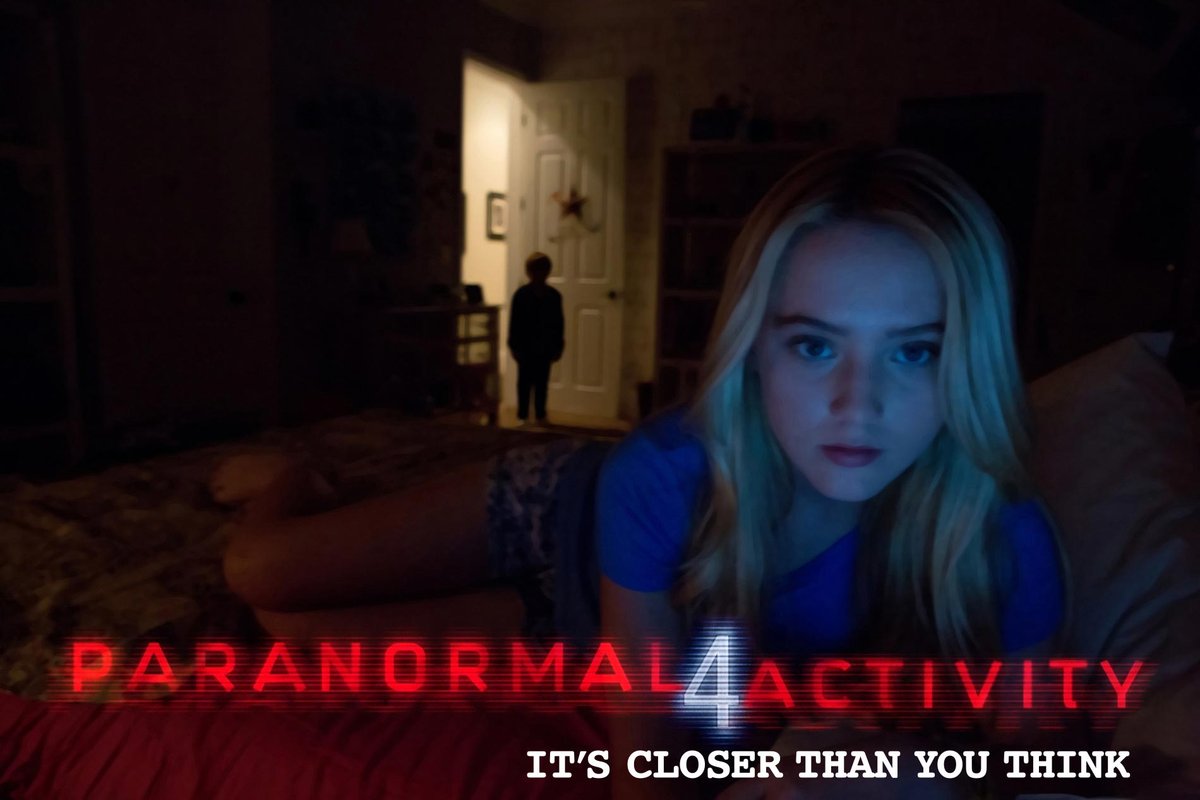
Imagine Steven Spielberg, the maestro behind cinematic nightmares and wonders, watching an early cut of a horror film. Not just watching it, but getting so genuinely spooked that his bedroom door mysteriously locked, convincing him the DVD was cursed. He then returned the disc in a trash bag, suggesting an ending that continues to terrify viewers today. This isn't a scene from a movie; it's the real-life encounter the legendary director had with Paranormal Activity, a film that revolutionized how we perceive—and create—Paranormal Activity Videos.
These aren't just Hollywood blockbusters. From shaky cam footage uploaded to YouTube claiming genuine poltergeist activity to meticulously crafted independent shorts designed purely for entertainment, Paranormal Activity Videos have become a pervasive and fascinating corner of our digital world. They tap into a primal human fear: the unknown, the unseen, the things that go bump in the night that a camera might just catch. But what makes us believe them, even for a moment? How do we discern the chillingly authentic from the cleverly fabricated? And why do we keep coming back for more, even when they make us lock our own bedroom doors?
At a Glance: Navigating the World of Paranormal Activity Videos
- Defining the Genre: Understand what constitutes a "paranormal activity video," from alleged real encounters to fictional "found footage."
- Why We Watch: Explore the psychological draw—our inherent curiosity, fear of the unknown, and desire for proof of the supernatural.
- Critical Viewing Skills: Learn to identify common hoaxes, camera tricks, and storytelling techniques that blur the lines between real and fake.
- Ethical Considerations: Reflect on the impact of these videos, both as entertainment and potential sources of anxiety or misinformation.
- Enjoying Responsibly: Develop an informed approach to watching, appreciating the artistry while maintaining a healthy dose of skepticism.
Beyond the Screen: What Exactly Are Paranormal Activity Videos?
At their core, Paranormal Activity Videos are recordings—whether intentional or accidental—that purport to capture phenomena beyond scientific explanation. This broad category encompasses everything from grainy home videos showing an object moving inexplicably to professional-grade independent films using "found footage" aesthetics to tell a scary story.
Think about the surge in popularity of cameras in everyday life. From smartphones in our pockets to sophisticated security systems monitoring our homes, we're constantly recording. It's perhaps inevitable that some of these recordings would appear to catch something unusual. For some, these videos offer tantalizing glimpses into another dimension, providing "proof" of ghosts, spirits, cryptids, or even extraterrestrial life. For others, they're merely compelling entertainment, a modern-day campfire story brought to life on screen. The lines, as we'll see, are often incredibly blurry.
The Power of Perception: Why We're Drawn to the Unknown
Our fascination with the paranormal isn't new. Humanity has always told tales of spirits, demons, and inexplicable events. Ancient cave paintings, folklore, and religious texts worldwide attest to our enduring attempts to explain what we can't fully comprehend. Paranormal Activity Videos are simply the latest medium for this age-old human impulse.
Psychologically, several factors draw us in:
- Curiosity: We have an innate desire to understand the universe around us, even its darker, more mysterious corners.
- Fear as Entertainment: A safe scare can be exhilarating. Rollercoasters, horror movies, and yes, scary videos, allow us to experience primal fear without genuine danger.
- Confirmation Bias: If we want to believe in ghosts, our brains are more likely to interpret ambiguous footage as evidence of the supernatural. We see patterns where none exist (a phenomenon called pareidolia), turning shadows into figures and creaks into whispers.
- The Appeal of the "Real": The "found footage" style, popularized by films like The Blair Witch Project and Paranormal Activity, works because it mimics reality. It looks like something you could have filmed, making the impossible seem terrifyingly plausible.
- The Desire for Meaning: For some, the existence of paranormal phenomena offers comfort—a belief that there's more to life (and death) than what science currently understands.
This blend of entertainment, psychological triggers, and a yearning for answers creates a potent cocktail that keeps us hitting 'play.'
The Spectrum of Specters: Types of Paranarnormal Activity Videos You'll Encounter
The digital landscape is teeming with different kinds of Paranormal Activity Videos. Understanding their variety helps in approaching them with a discerning eye.
- Alleged "Real" Encounters: These are often presented as raw, unedited footage captured accidentally by security cameras, dash cams, or home video recorders.
- Ghost Sightings: Blurry figures, shadows moving across walls, objects levitating or falling.
- Poltergeist Activity: Items being thrown, doors slamming, lights flickering, unexplained noises.
- Electronic Voice Phenomena (EVPs): Audio recordings believed to capture voices or sounds from spirits, often presented alongside video of the recording device.
- UFOs & Cryptids: Unexplained aerial phenomena or glimpses of legendary creatures like Bigfoot or the Loch Ness Monster, often captured with less-than-ideal clarity.
- "Found Footage" Fictional Films: While clearly movies, their aesthetic is designed to mimic real-world recordings.
- Paranormal Activity is the quintessential example, making a multi-million dollar franchise out of its low-budget, home-video style.
- These films often build narrative tension by suggesting the footage was "discovered" or "recovered," enhancing the illusion of reality.
- Entertainment Shorts & Indie Films: This category includes works created by independent filmmakers specifically for artistic expression or amusement.
- As noted by sources like realparanormalactivity.com, platforms dedicated to the paranormal now feature "ENTERTAINING SHORT FILMS" like A TESSELLATION (SCIFI). These are explicitly designed for enjoyment, showcasing creativity in storytelling and visual effects rather than claiming authenticity. They allow creators to explore mysterious phenomena—like an archaeologist unearthing a peculiar artifact—without the pretense of being real. These are valuable for their craft, not for proving the supernatural.
- Hoaxes and Pranks: Unfortunately, a significant portion of Paranormal Activity Videos fall into this category. These range from elaborate setups to simple video editing tricks.
- Some are created for viral fame, others as practical jokes, and a few for financial gain through ad revenue.
The challenge, and part of the thrill, is in trying to distinguish between these categories, especially when the line is intentionally blurred.
Decoding the Footage: How to Approach Paranormal Activity Videos Critically
When you encounter a compelling paranormal video, your first instinct might be awe or fear. But a critical viewer knows to pause and ask questions. Here's how to develop a skeptical, yet open-minded, approach:
Red Flags & Skeptical Lenses: What Makes a Video Suspect?
- Blurry, Shaky, or Poor Quality: While often attributed to the "suddenness" of an event, low quality footage also conveniently hides imperfections or obvious tricks. Clearer footage is harder to fake convincingly.
- Short Duration & Quick Cuts: Many hoaxes rely on showing only a fleeting moment of "activity" or using rapid cuts to mask edits. Genuine, sustained phenomena are rarely captured this way.
- Exaggerated Reactions: If the people in the video are overacting or seem too perfectly terrified, it might be staged.
- Lack of Context: Does the video just drop you into the middle of an event? Is there a clear setup, or explanation of why someone was filming? Missing context can obscure how a trick was performed.
- Camera Tricks & Editing:
- Strings & Wires: The oldest trick in the book for moving objects.
- Mirrors & Reflections: Can create illusions of figures or objects where none exist.
- Forced Perspective: Objects placed closer to the camera can appear larger or further away than they are, creating illusions of movement.
- Digital Effects (CGI): Modern software makes it incredibly easy to add convincing (or not-so-convincing) digital ghosts, glowing eyes, or moving objects.
- Sound Manipulation: Adding eerie sounds, whispers, or growls in post-production can dramatically heighten the perceived paranormal activity.
- Obvious Misinterpretations of Natural Phenomena:
- Dust Orbs: Dust particles illuminated by a camera's flash or infrared light are often mistaken for spirit orbs.
- Lens Flares & Reflections: Light sources can create bizarre shapes or streaks on camera.
- Infrasound: Low-frequency sound waves, inaudible to humans, can cause feelings of unease, anxiety, and even visual disturbances, leading people to believe they're experiencing something supernatural.
- Sleep Paralysis: A common condition where a person wakes up but can't move, often accompanied by vivid hallucinations of shadowy figures or a feeling of presence. Videos captured during such an event could easily be misinterpreted.
What to Look For: Credibility Markers (If Any)
While concrete "proof" of the paranormal remains elusive, certain elements can make a video more compelling, if not definitive:
- Long, Unedited Takes: Footage that runs for an extended period without cuts is harder to fake. Any "event" within it becomes more intriguing.
- Multiple Angles/Witnesses: If the same phenomenon is captured from different cameras simultaneously, especially by independent parties, it significantly strengthens the claim.
- Clear, Consistent Phenomena: If an object moves, then moves again in a similar way, or a figure appears distinctly several times, it’s harder to dismiss as a fluke.
- Controlled Environment (Rare): In true paranormal investigation, attempts are made to rule out natural explanations through controlled conditions. Videos from such investigations, if conducted rigorously, can be more credible.
- Expert Analysis (Post-Capture): Reputable video analysis by experts (not just "ghost hunters") who can examine frame-by-frame, lighting, and audio can sometimes debunk or, conversely, suggest a lack of obvious trickery.
Ultimately, approaching Paranormal Activity Videos like a detective—looking for clues, ruling out mundane explanations, and understanding the motivations behind their creation—is key.
The Ethics of the Unexplained: Navigating the Impact of Paranormal Videos
Beyond the question of authenticity, there's a deeper conversation to be had about the impact of these videos. When we consume footage that blurs the lines between reality and fiction, what are the consequences?
- Psychological Impact: Repeated exposure to unsettling or seemingly real paranormal content can induce anxiety, fear, and even paranoia in sensitive individuals. It can make everyday noises and shadows seem sinister.
- Misinformation and Exploitation: The propagation of fake Paranormal Activity Videos contributes to misinformation, potentially exploiting the genuine beliefs or fears of viewers. Some creators intentionally deceive for views, likes, or even financial gain, eroding trust in factual content.
- Blurring Reality: The effectiveness of the "found footage" genre lies in its ability to make us question what's real. While great for entertainment, this constant blurring can, for some, make it harder to distinguish between documented fact and crafted illusion in other areas of life.
- Respect for the Deceased/Victims: When real-world tragedies or locations are used as backdrops for fictional paranormal content, it can be seen as disrespectful or exploitative.
- The Broader Category of Disturbing Content: Paranormal Activity Videos sometimes veer into content that is not just scary but genuinely disturbing. For those interested in understanding the wider implications and characteristics of such media, you can delve into the broader category of unspeakable videos and their impact. This exploration helps us recognize the psychological and societal effects when content pushes boundaries, whether intentionally or not.
Responsible content creation and consumption involve being aware of these ethical dimensions. It means creators should ideally be transparent about the nature of their work (entertainment vs. alleged evidence), and viewers should engage with content mindfully.
From Hobbyist to Hoaxer: Tools and Techniques Behind the Lens
Understanding how Paranormal Activity Videos are made, whether for genuine exploration or deceptive purposes, sheds light on their credibility.
Common Equipment for "Ghost Hunting":
- Night Vision Cameras: Essential for recording in dark environments, these often capture infrared light, revealing details invisible to the human eye. They can also make dust particles appear as "orbs."
- Full Spectrum Cameras: Modified cameras that can see into UV, visible, and infrared light spectrums. Proponents believe this allows them to capture energies or entities normally unseen.
- Digital Audio Recorders: Used to capture EVPs, these are designed to pick up faint sounds.
- Motion Sensors & EMF Meters: While not directly video recording, these are often used in conjunction with cameras to alert investigators to potential activity, leading to "real-time" captures.
Techniques for Creating Illusions: - Simple Practical Effects:
- Fishing Line/Thread: Nearly invisible, it can be used to move small objects.
- Air Cannons/Compressed Air: Can create sudden gusts of wind to move curtains or hair.
- Off-Camera People: Someone just out of frame, triggering events or making noises.
- In-Camera Effects:
- Reflective Surfaces: Placing glass or mirrors strategically can create ghostly apparitions that only appear on camera.
- Camera Wobbles: A slight shake can make a static object seem to move.
- Post-Production Magic (Editing Software):
- Frame-by-Frame Manipulation: Adding or removing elements, or subtly shifting objects between frames.
- Layering Images/Video: Superimposing a translucent ghost figure onto existing footage.
- Sound Design: Adding atmospheric music, unsettling ambient noises, or sudden jumpscares (e.g., a loud bang) to intensify the mood.
- Speed Ramps: Manipulating playback speed to make movements appear unnatural.
- Color Grading: Desaturating colors or adding a blue/green tint to give footage an eerie, cold feel.
The ease of access to sophisticated editing tools means that creating convincing (or at least attention-grabbing) fake paranormal videos is no longer the exclusive domain of professional filmmakers. A determined hobbyist with a smartphone and free editing software can produce surprisingly effective illusions.
The Spielberg Effect: When Fiction Feels Terrifyingly Real
Steven Spielberg's unnerving experience with Paranormal Activity wasn't just a fun anecdote; it speaks volumes about the power of this specific subgenre. The film, shot on a shoestring budget, didn't rely on expensive CGI or elaborate sets. Its genius lay in its simplicity, its use of static, home-video style cameras, and its slow-burn psychological dread. It felt real because it looked like something anyone could film in their own home.
This "Spielberg Effect" — where a meticulously crafted piece of fiction manages to invade our sense of reality — highlights several critical aspects of effective horror and believable paranormal content:
- Relatability: The setting was an ordinary house, the characters an ordinary couple. This made the extraordinary events happening to them feel all the more personal and terrifying.
- Minimalism: Less is often more. The unseen, the implied, the slow build of dread can be far more frightening than a CGI monster jumping out. It allows our own imaginations to fill in the blanks, often with far more horrifying results.
- Suspense Over Gore: The film focused on building unbearable tension and psychological terror rather than relying on jump scares or explicit violence.
- The Power of the Suggestion: Spielberg's suggested ending for the film, which implied the demon had possessed the protagonist, was a stroke of genius, leaving viewers with a lingering sense of unease that the "activity" was far from over.
This demonstrates that the "authenticity" of a paranormal video isn't always about whether it's actually real, but about how effectively it feels real. And when something feels real enough to scare Steven Spielberg, you know it's tapping into something profound.
Your Guide to the Ghostly Gallery: Watching with Discernment
So, how do you navigate this vast and often confusing world of Paranormal Activity Videos?
- Start with Skepticism, End with Enjoyment: Approach every video with a critical mind, but don't let it diminish your ability to enjoy a good scare.
- Ask "How?" Not Just "What?": Instead of just wondering what you're seeing, ask how that effect might have been achieved. Is there a simpler, non-paranormal explanation?
- Check the Source: Who posted the video? Do they have a history of hoaxing? Are they presenting it as definitive proof or as entertainment?
- Look for Consistency: Does the "activity" follow any discernible pattern, or does it seem random and designed purely for shock value?
- Educate Yourself on Common Tricks: The more you understand how illusions are created, the harder it is to be fooled.
- Enjoy the Ride: Many Paranormal Activity Videos are fantastic pieces of entertainment, showcasing incredible creativity and storytelling. Appreciate them for their artistry, even if you don't believe in the supernatural elements.
Beyond the Scream: Where Do We Go From Here?
The allure of Paranormal Activity Videos is unlikely to fade. As technology advances, so too will the methods for capturing (or simulating) the inexplicable. From TikTok trends featuring ghostly encounters to full-length documentaries exploring alleged hauntings, these videos will continue to captivate, confuse, and occasionally genuinely frighten us.
Your role as a viewer is not just to passively consume, but to actively engage. Question, analyze, and appreciate. Understand the psychology behind the fear, the techniques behind the illusions, and the cultural significance of our enduring fascination with the unknown. Whether you believe in ghosts or just enjoy a good scare, approaching Paranormal Activity Videos with an informed perspective will enrich your experience, making you not just a viewer, but a discerning explorer of the spectral digital realm.