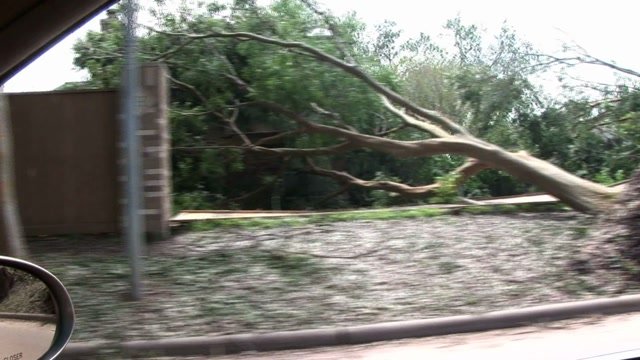
When a crisis erupts, the first images we often see aren't from seasoned news crews, but from everyday people on their phones. Raw and uncensored disaster footage thrusts us into the heart of a crisis unfolding, offering an immediate, visceral, and often unvarnished look at chaos, resilience, and the sheer force of nature or human error. These are the moments before the cleanup, before the official statements, revealing the stark reality that can be both horrifying and profoundly informative.
This kind of footage strips away the filters, the narrative constructs, and the polished production value of traditional media. It's often shaky, imperfect, and deeply personal, capturing the immediate aftermath or even the very instant disaster strikes. But beyond the immediate shock, it raises profound questions about ethics, utility, and our collective responsibility in bearing witness.
At a Glance: What You'll Learn About Raw Disaster Footage
- Why we're drawn to it: The psychological and evolutionary reasons for our fascination.
- Its dual nature: How it aids emergency response, accountability, and empathy, but also risks exploitation and trauma.
- Ethical viewing: Practical tips for consuming this content responsibly and protecting your mental well-being.
- Responsible creation: Guidelines for those on the ground considering documenting a disaster.
- Fighting misinformation: How to spot fakes and verify footage in a rapidly evolving crisis.
- Its evolving role: The future of citizen journalism and technology in disaster documentation.
The Irresistible Pull: Why We Can't Look Away From Uncensored Catastrophe
There's a primal, almost inescapable draw to witnessing moments of extreme crisis. When raw and uncensored disaster footage appears on our screens, it taps into something deep within us. Part of it is pure curiosity – an innate human desire to understand the world around us, especially when it veers into the extraordinary or terrifying. We want to grasp the scale, the immediate impact, and the human drama involved.
Beyond curiosity, a survival instinct kicks in. By observing how others react, how structures fail, or how a natural phenomenon unfolds, we unconsciously gather data that could, theoretically, help us survive a similar event. It’s a form of vicarious learning, preparing us for scenarios we hope never to experience directly.
Then there's the emotional connection. In an increasingly interconnected world, disaster footage often serves as a powerful conduit for empathy. Seeing the unscripted terror, the selfless acts, or the overwhelming grief of those affected can ignite a sense of shared humanity and a desire to help. This unfiltered perspective often feels more authentic, more "real," than any carefully constructed news report, making the suffering and the heroism feel more immediate and compelling. It puts a human face on statistics and headlines, making abstract concepts painfully concrete.
The Double-Edged Lens: Benefits and Burdens of Raw Disaster Footage
Raw footage is not just a spectacle; it’s a powerful tool with significant implications. Its impact can be profoundly positive, yet it carries considerable ethical baggage and potential for harm. Understanding this duality is crucial for anyone engaging with such content.
The Unquestionable Good: How Raw Footage Saves Lives and Informs Policy
When a hurricane makes landfall or an earthquake strikes, raw and uncensored disaster footage becomes a critical asset. First responders and aid organizations can gain immediate, real-time situational awareness that satellites and official reports might miss. Drones equipped with cameras, often operated by citizens, can map out areas inaccessible by ground, identifying trapped individuals, damaged infrastructure, and optimal routes for rescue. This crowd-sourced intelligence can be the difference between life and death, guiding resources precisely where they're needed most.
Beyond immediate response, this footage serves as invaluable documentation. It can provide critical evidence for investigations into structural failures, environmental damage, or even criminal negligence, holding entities accountable. Engineers and urban planners study disaster footage to understand how buildings behave under extreme stress, informing better construction standards and resilient infrastructure design. From the Joplin tornado's impact on building codes to footage from bridge collapses guiding new safety protocols, the lessons learned from these raw visual records are indispensable.
Furthermore, raw footage has an unparalleled ability to raise public awareness and mobilize support. The raw, unfiltered reality of a crisis often resonates more deeply than official reports, spurring donations, volunteer efforts, and political action. It fosters empathy, showing the human cost and catalyzing collective responses to suffering. This can be particularly true for incidents that might otherwise be overlooked by mainstream media.
The Heavy Toll: Exploitation, Misinformation, and Psychological Trauma
While powerful, the raw nature of disaster footage is a double-edged sword. One of the most significant concerns is the potential for victim exploitation and privacy invasion. Footage often captures individuals at their most vulnerable – in shock, injured, or grieving. Broadcasting these intimate moments without consent can be deeply disrespectful and re-traumatizing for victims and their families. The line between informing the public and sensationalizing suffering can be perilously thin, and unfortunately, it's often crossed for clicks and views.
Another pervasive challenge is misinformation and decontextualization. In the chaotic aftermath of a disaster, false or misleading footage can spread like wildfire. Old footage might be presented as current, images might be doctored, or clips taken out of context to fit a particular narrative. This can sow panic, divert rescue efforts, and even incite violence. The speed at which such content travels across social media platforms makes verification incredibly difficult in real-time. This issue has become so prevalent that media literacy in identifying troubling videos is more important than ever.
The psychological impact on viewers is also a serious, often underestimated, burden. Constant exposure to graphic, uncensored disaster footage can lead to secondary traumatic stress, anxiety, desensitization, and a pervasive sense of dread, often called "doomscrolling." For those with pre-existing mental health conditions or personal experience with trauma, this exposure can be particularly harmful. While the desire to stay informed is valid, understanding one's own limits and practicing media hygiene is vital.
Finally, for those on the ground, an ethical dilemma often arises: should one film or help? The impulse to document can conflict with the immediate need to offer assistance, or worse, put oneself or others in further danger. The "bystander effect" can be exacerbated when people prioritize recording over intervening, raising profound moral questions about our priorities in crisis situations.
Navigating the Ethical Minefield: A Guide for Viewers and Creators
Engaging with raw disaster footage responsibly requires a conscious effort from both those who view it and those who create it. It's about respecting dignity, valuing truth, and protecting mental well-being.
For Viewers: Consuming with Conscience and Care
As a viewer, you hold significant power through your engagement. Every share, like, or comment can amplify content, for better or worse.
- Verify, Don't Amplify Blindly: Before sharing any footage, especially if it's graphic or emotionally charged, take a moment to verify its authenticity.
- Check the source: Is it a reputable news organization, an official emergency service, or an unknown individual?
- Look for context: Does the post provide details like date, time, and location? Are there multiple sources corroborating the information?
- Reverse image search: Tools like Google Images or TinEye can help you find where the image or video first appeared. Is it actually from this event, or an old one recirculated?
- Be skeptical of sensational headlines or posts urging immediate sharing.
- Consider if the imagery you are looking at is part of a larger collection of unsettling videos that may be circulating for malicious or exploitative reasons.
- Practice Media Hygiene: Limit your exposure. It's important to stay informed, but constant immersion in traumatic content isn't healthy.
- Schedule specific times to check for updates rather than having notifications constantly on.
- Take breaks, step away from screens, and engage in activities that bring you calm.
- Recognize the signs of secondary trauma: anxiety, difficulty sleeping, intrusive thoughts, or a general sense of unease. If you experience these, seek support.
- Seek Context, Not Just Spectacle: Don't just watch the most shocking clips. Seek out reputable news analysis that provides background, explains the impact, and outlines recovery efforts. Understanding the broader picture helps process the raw emotion.
- Report Harmful Content: If you encounter footage that is exploitative, promotes hate, or is clearly misinformation, report it to the platform it’s hosted on. You have a role in curbing the spread of harmful content.
For Creators on the Ground: Filming with Purpose and Respect
If you find yourself in a disaster zone and feel compelled to document, your primary responsibility is always safety and human dignity.
- Safety First: Your life and the lives of others are paramount. Never put yourself or others in danger to capture footage. If rescue efforts are underway, do not interfere. Your equipment can always be replaced; lives cannot.
- Consent and Dignity Above All: This is perhaps the most critical ethical consideration.
- Avoid filming individuals in distress, injured, or deceased. If you must, ensure faces are blurred or unrecognizable, and never share identifiable imagery without explicit, informed consent from the person or their legal guardian.
- Ask yourself: "Would I want my most vulnerable moments broadcast?"
- Focus on the wider scene, the impact on infrastructure, the community effort, rather than individual suffering, unless it serves a clear, specific, and respectful purpose (e.g., documenting a rescue with consent).
- For example, a clip showing the overwhelming effects of a storm on a city skyline is different from zooming in on a crying child.
- Purpose-Driven Filming: What is the goal of your footage?
- Is it to aid rescue efforts? (Share directly with authorities, not publicly.)
- Is it to document damage for insurance or reconstruction?
- Is it to raise awareness for a specific need?
- If the purpose isn't clear or feels exploitative, put the camera down.
- Be Mindful of Immediate Needs: There's a profound difference between documenting for historical record and neglecting immediate needs. If you can help someone, help them first. The camera can wait. Many professional photojournalists have stories of putting down their cameras to assist in crisis situations.
- Consider the Long-Term Impact: Once footage is online, it's virtually impossible to fully remove. Think about how your footage might be used or misused years from now. Ensure your footage contributes positively to the narrative, rather than just sensationalizing the event.
Beyond the Buzz: How Raw Footage Informs Action and Policy
The impact of raw disaster footage extends far beyond immediate emotional reactions. When properly collected, verified, and analyzed, it becomes a crucial data point that influences everything from urban planning to international aid distribution. For instance, after major seismic events, engineers pour over amateur footage showing building sway, collapse patterns, and ground liquefaction to refine architectural resilience standards. The direct visual evidence offers a granular perspective that seismographs alone cannot provide.
Aid organizations use citizen-generated footage to conduct rapid needs assessments, identifying areas of critical damage or populations cut off from resources. In the wake of events like the 2011 Tohoku earthquake and tsunami, community videos provided vital information on tsunami run-up heights and damage extent, aiding in future warning system improvements. Similarly, during urban flash floods, geotagged videos and photos have helped emergency services map inundation levels and identify bottlenecks in drainage systems, informing future infrastructure projects. Studying various forms of visual evidence helps create a comprehensive understanding.
The sheer volume of footage generated by smartphones has also ushered in a new era of data analytics. Artificial intelligence is increasingly being deployed to sift through millions of images and videos, identifying specific damage types, counting displaced populations, or tracking the progression of a wildfire. This isn't just about sensationalism; it's about harnessing collective observation to make more informed decisions faster. It transforms anecdotal evidence into actionable intelligence, bridging the gap between raw experience and structural change.
Separating Fact from Fear: Spotting Manipulated Disaster Footage
In the age of deepfakes and rapid misinformation, discernment is your most powerful tool. The immediacy of raw disaster footage makes it a prime target for manipulation, whether for malicious intent, propaganda, or simply to gain attention. Knowing how to scrutinize what you see is essential.
Red Flags to Watch For:
- Inconsistent Details: Look for anomalies. Are shadows pointing in the wrong direction? Is the weather consistent throughout the clip? Do background elements change unnaturally?
- Perfect Loops: Many short, doctored videos feature seamless loops designed to make a brief moment appear ongoing or more dramatic.
- Lack of Context or Source: Videos shared without any information about when, where, or by whom they were filmed are highly suspect.
- Emotional Manipulation: Be wary of content that seems specifically designed to elicit extreme emotional reactions without providing verifiable facts. This is often a tactic to bypass critical thinking.
- Unusual Quality Discrepancies: While raw footage can be shaky, excessively pixelated or blurry areas within an otherwise clear video can indicate digital alteration. Conversely, unusually high-quality footage for a chaotic, on-the-ground event might also warrant scrutiny.
Tools and Tactics for Verification:
- Reverse Image/Video Search: Tools like Google Images, TinEye, or InVID (a browser extension for video analysis) allow you to upload a screenshot or paste a video URL to see where else it has appeared online. This can quickly reveal if footage is old, from a different event, or has been used in multiple contexts. When examining any video that seems too shocking to be true, this is a crucial first step.
- Geolocation: Look for identifiable landmarks in the footage – specific buildings, street signs, unique natural features. Use Google Maps, Google Earth, or other mapping tools to cross-reference these details with the claimed location of the disaster. Even subtle architectural styles or vegetation can offer clues.
- Metadata Analysis (if available): While less common for publicly shared social media videos, some platforms or download methods might retain EXIF data for images, which can include the date, time, and even GPS coordinates of where the photo was taken.
- Cross-Reference with Trusted Sources: The most reliable method is to compare the footage with reports from established, reputable news organizations, official government agencies (like NOAA, USGS, local emergency services), and verified humanitarian organizations. If a major event is depicted, multiple credible sources should be covering it.
- Fact-Checking Websites: Organizations like Snopes, PolitiFact, and various university fact-checking initiatives often debunk circulating misinformation related to major events.
The rise of AI-generated content and increasingly sophisticated video editing tools means that verifying footage will only become more challenging. Cultivating a critical eye and a healthy skepticism is no longer just good practice; it’s a necessary skill for navigating the modern information landscape.
The Future of Crisis Documentation: AI, Drones, and Citizen Journalism
The landscape of raw disaster footage is constantly evolving, shaped by technological advancements and the shifting role of media. We're moving beyond shaky phone videos to a more complex ecosystem where artificial intelligence, drones, and increasingly sophisticated citizen journalists play pivotal roles.
Drones, once niche tools, are now invaluable assets in disaster zones. They can provide high-resolution aerial views of vast damaged areas quickly and safely, without risking human lives. Thermal imaging drones can locate survivors in rubble or pinpoint hot spots in wildfires. When coupled with AI, these drones can automatically map damage, count displaced vehicles, or even identify structural weaknesses, accelerating assessment and recovery efforts. The footage they capture is often raw, but incredibly precise, offering a new dimension to disaster monitoring. This technology also allows for the safe collection of potentially hazardous visual data from a distance.
AI's role extends beyond just processing drone footage. Machine learning algorithms are being trained to automatically detect certain types of events (e.g., floods, fires, collapses) from social media feeds, analyze sentiment in text associated with footage, and even help verify authenticity by spotting digital alterations. This can accelerate the filtering of massive data streams, allowing emergency responders and aid agencies to focus on credible, actionable intelligence.
Meanwhile, the citizen journalist continues to evolve. Armed with ever more powerful smartphone cameras, livestreaming capabilities, and a global audience, ordinary individuals are often the first on the scene, becoming de facto reporters. This decentralization of news gathering offers unparalleled immediacy and a diversity of perspectives that traditional media might miss. However, it also amplifies the challenges of verification and ethical responsibility. Training programs for citizen journalists, focusing on safety, ethics, and basic verification techniques, are becoming increasingly important to harness this power constructively.
The future will likely see a hybrid model: sophisticated AI systems sifting through vast amounts of raw, human-generated and drone-generated footage, flagging critical information for human experts to verify and contextualize. This convergence promises more comprehensive, real-time understanding of crises, but it also necessitates a continued commitment to ethical guidelines, data privacy, and robust fact-checking mechanisms to ensure that the power of raw footage is used for good.
Your Role in the Story: Consuming and Contributing Responsibly
Raw and uncensored disaster footage is more than just a fleeting glimpse into chaos; it's a testament to human experience at its most extreme. It offers unparalleled insights, fosters empathy, and can drive tangible change. However, its power comes with significant responsibilities, both for those who film it and those who view it.
As a consumer of this content, your role is to be an informed, critical, and empathetic witness. Don't let yourself be a passive recipient of information, especially when it comes to videos depicting severe events. Cultivate skepticism, verify information before sharing, and protect your own mental well-being by managing your exposure. Remember that behind every piece of footage are real people experiencing unimaginable hardship, and their dignity should always take precedence over sensationalism.
If you ever find yourself in a position to create such footage, consider your actions carefully. Prioritize safety, offer assistance where possible, and always respect the privacy and trauma of those involved. Your footage, when captured thoughtfully and ethically, can be a vital resource for emergency services, a powerful record for historians, and a catalyst for compassion.
Ultimately, engaging with raw disaster footage is an act of observation, but it should also inspire reflection and, ideally, action. By understanding its complexities and approaching it with care, we can harness its power to inform, connect, and build a more resilient and empathetic world.